Top Books for Mastering Your Mental Toughness
Building daily habits and discipline is rarely about having “more willpower” and almost always about having a better system. Motivation is a fleeting emotion; discipline is a reliable engine.
Here are the top 5 books that provide the best blueprints for building that engine, categorized by their unique approach to behavioral change
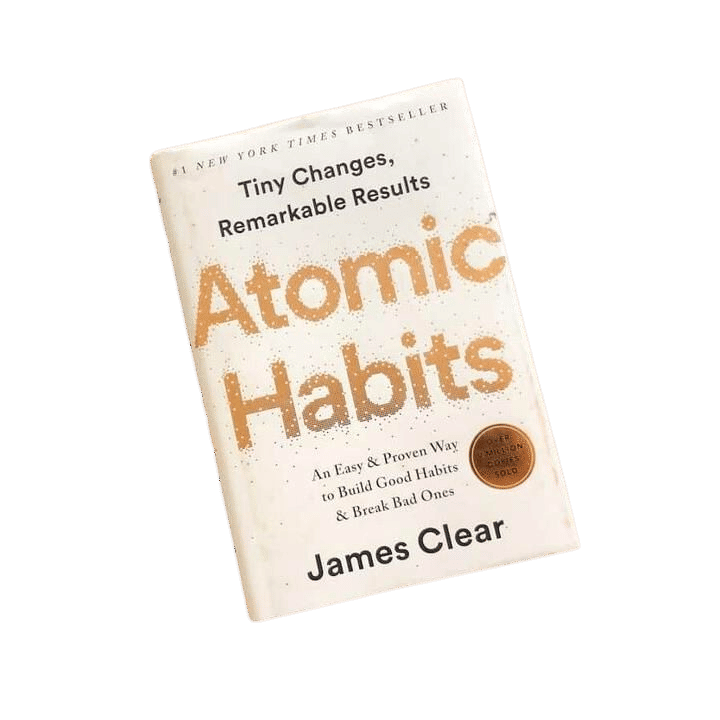
1.The Comprehensive Manual: Atomic Habits
Author: James Clear Best for: People who want a practical, step-by-step system to change their life without overwhelming effort.
This is widely considered the gold standard for modern habit formation. Clear moves away from “goals” (which are binary pass/fail) and focuses on “systems.” His core argument is that you do not rise to the level of your goals; you fall to the level of your systems. He breaks habit formation down into four laws: make it obvious, attractive, easy, and satisfying.
Key Philosophy: The 1% Rule. You don’t need to change everything overnight. Improving by just 1% every day results in being 37x better by the end of the year.
Actionable Takeaway: Habit Stacking. Identify a habit you already do on autopilot (e.g., brushing your teeth) and stack a new habit immediately after it (e.g., “After I brush my teeth, I will meditate for one minute”).
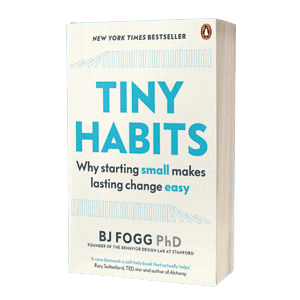
2. The Behavioral Science Approach: Tiny Habits
Author: BJ Fogg, PhD Best for: Chronic procrastinators or those who feel they “lack willpower.”
BJ Fogg, a Stanford behavioral scientist, argues that relying on motivation is a recipe for failure because motivation is unreliable (he calls it the “Motivation Monkey”). Instead, his Fogg Behavior Model (B=MAP) proves that behavior happens when Motivation, Ability, and a Prompt converge. Since you can’t always control motivation, you must make the behavior tiny (easy to do) and have a clear prompt.
Key Philosophy: Make it too small to fail. If you want to floss, commit to flossing one tooth. If you want to run, commit to putting on your shoes. Success breeds success.
Actionable Takeaway: Celebration. Immediately after doing your tiny habit, celebrate physically (a fist pump or a smile). This releases dopamine, which wires the habit into your brain faster than repetition alone.
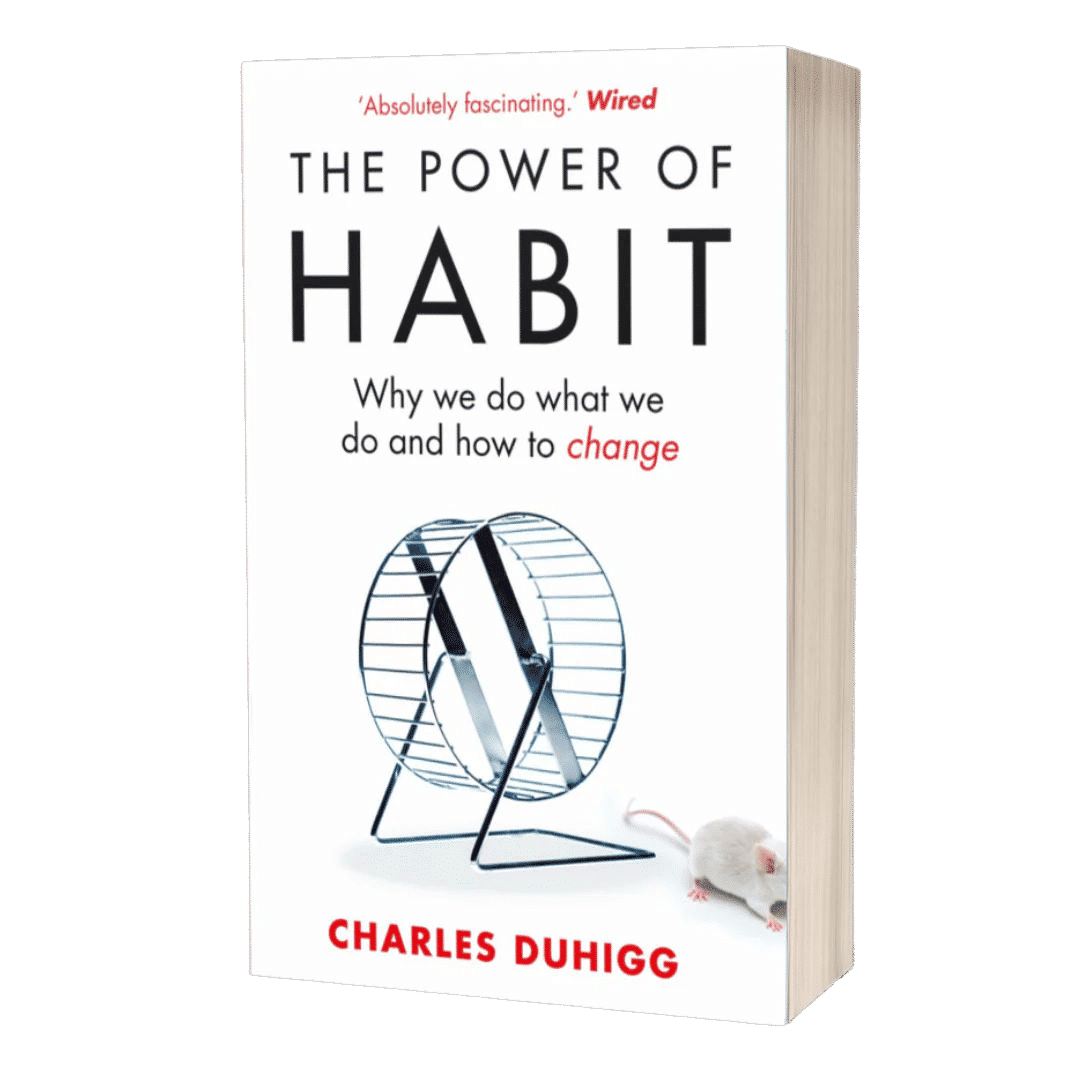
3. The Psychological Foundation: The Power of Habit
Author: Charles Duhigg Best for: People who want to understand the why and how behind their subconscious loops.
Duhigg explores the neuroscience of why we do what we do. He introduces the “Habit Loop,” which consists of a Cue, a Routine, and a Reward. The book explains that you cannot extinguish a bad habit; you can only change it. To change a habit, you must keep the old Cue and Reward but insert a new Routine.
Key Philosophy: Keystone Habits. Some habits matter more than others. Changing one “keystone” habit (like making your bed or exercising) often causes a chain reaction that shifts other patterns in your life unconsciously.
Actionable Takeaway: The Diagnosis. If you have a bad habit (e.g., eating a cookie at 3 PM), identify the reward. Are you hungry? Or are you actually just bored and looking for socialization? Experiment with the reward to find the root cause, then change the routine.
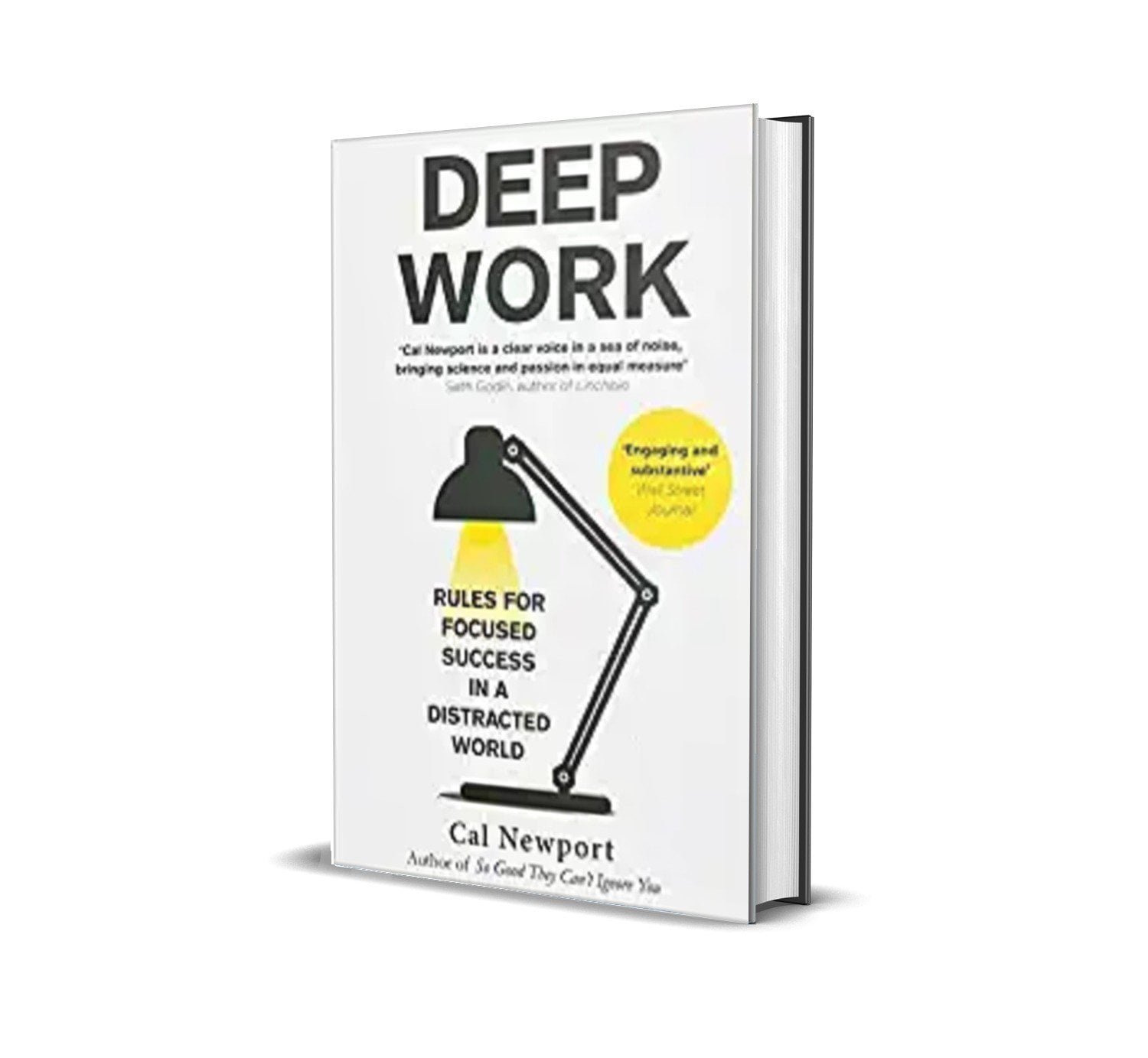
4. The Professional Focus: Deep Work
Author: Cal Newport Best for: Knowledge workers who want to discipline their attention span and produce high-quality work.
While other books focus on health or lifestyle habits, Newport focuses on the discipline of attention. He argues that the ability to focus without distraction is becoming increasingly rare and valuable. “Deep Work” is the practice of working in a state of high concentration, pushing your cognitive capabilities to their limit.
Key Philosophy: Embrace Boredom. We have trained our brains to constantly seek stimuli (phones, social media) the moment we feel bored. To build discipline, you must retrain your brain to be comfortable with lack of input.
Actionable Takeaway: Rhythmic Scheduling. Create a rigid schedule where you block out 90 minutes every day for deep work. During this block, you are offline—no email, no phone, no slack. Treat it like a doctor’s appointment you cannot miss.
5.The Hardcore Mindset: Discipline Equals Freedom
Author: Jocko Willink Best for: Those who need a “kick in the pants” and prefer a no-nonsense, military-style approach.
Written by a former Navy SEAL commander, this book is less about “hacking” your psychology and more about conquering your inner weakness. Willink argues that discipline is not a punishment; it is the path to freedom. By restricting yourself (waking up early, eating clean, working hard), you gain the freedom of health, time, and financial stability.
Key Philosophy: The dichotomy of control. You cannot control the world, but you can control your response. When things go wrong, the correct response is “Good”—because it gives you an opportunity to improve.
Actionable Takeaway: The Early Wake Up. Willink advocates waking up early (e.g., 4:30 AM) to gain a psychological edge over the enemy (your own laziness). Start by setting your alarm 30 minutes earlier than usual and physically moving your alarm clock across the room